From Innovation to Disruption: How Emerging Technologies Reshape Industries
The global landscape of 2026 is defined by a profound shift from digital adoption to total industry disruption. As technology continues to evolve at an exponential rate, the line between physical reality and digital ecosystems has blurred, creating a world where innovation is the primary currency of economic power. This era is characterized by the convergence of advanced computing, autonomous systems, and decentralized networks that are fundamentally rewriting the rules of global trade. driving new opportunities for startups, investors, and tech leaders worldwide. For businesses, the challenge is no longer just about staying current; it is about navigating a high-speed digital transformation that rewards agility and punishes inertia. In this article, we explore how emerging technologies are reshaping global markets, from the rise of autonomous AI agents to the new geography of venture capital and the power of Industry 4.0.
Artificial Intelligence and Automation Redefining Productivity and Decision-Making
Artificial intelligence has evolved into the operational heartbeat of the modern enterprise. By 2026, the primary driver of corporate efficiency is the deployment of autonomous AI agents. These systems have moved past the role of simple generative assistants to become sophisticated decision-makers capable of managing entire departments. Through the constant application of data analytics, these agents identify market inefficiencies and execute corrective measures in milliseconds, a pace that far exceeds human cognitive limits.
In this new environment, the future of AI is defined by "Agentic Workflows" where software perceives, reasons, and acts without constant prompting. This shift is particularly evident in the professional services sector, where AI systems now handle over 60% of routine legal discovery, accounting reconciliations, and mid-level project management. Rather than replacing the human element, this innovation allows for a strategic reorganization of labour. Human leaders now act as architects of intelligent systems within modern tech ecosystems, overseeing fleets of AI agents that execute high-volume tasks with mathematical precision. This synergy has led to a nearly 40% increase in per-worker productivity across G20 nations since the start of the decade, effectively decoupling economic growth from traditional labour hours.
The Reinvention of Financial Systems Through Fintech and Digital Infrastructure
The global financial architecture has been completely rebuilt on a foundation of digital-native protocols powering global innovation ecosystems. In 2026, fintech will be the primary driver of economic inclusion, particularly within emerging markets, where traditional banking infrastructure has historically been insufficient. The digital transformation of money has led to the rise of "Programmable Finance," where payments are no longer just transfers of value but intelligent contracts that execute based on real-time data analytics.
The impact on global trade is profound. In Southeast Asia and Sub-Saharan Africa, over 75% of small and medium-sized enterprises now utilize decentralized fintech platforms to access venture capital and trade credit, bypassing the high fees of legacy Western banks. This shift is supported by several key developments:
- Hyper-Localized Fintech Solutions: Startups are creating custom financial products that cater to the specific regulatory and cultural needs of diverse emerging markets.
- AI-Driven Risk Assessment: The use of AI agents to analyze non-traditional data points such as supply chain velocity and social sentiment to provide instant credit scoring for the unbanked.
- Invisible Embedded Finance: The total integration of banking services into retail and logistics platforms, allowing for frictionless global commerce.
As these emerging technologies mature, the cost of moving capital across borders has dropped to near zero, fostering a truly borderless digital economy.
Industry 4.0 and the Transformation of Global Supply Chains
Industry 4.0 has transitioned from a theoretical framework into the standard operating procedure for global manufacturing. In 2026, the "Smart Factory" is a self-optimizing ecosystem where every component is tracked via a digital twin. This level of innovation has fundamentally solved the supply chain fragility that plagued the early 2020s. By leveraging real-time data analytics and IoT sensors, organizations can now predict logistics bottlenecks before they manifest, automatically rerouting raw materials to avoid geopolitical or environmental disruptions.
This industrial evolution is also driving a massive trend towards "Micro-Manufacturing." High-speed 3D printing and automated assembly modules allow startups to produce complex goods locally, reducing the carbon footprint of global shipping and the dependency on a few dominant manufacturing hubs. Industry 4.0 is not merely about speed; it is about the precision of resource allocation. Companies are now achieving "Zero-Waste" status by using AI agents to optimize energy consumption and material usage in real-time, aligning profitability with global sustainability mandates.
Venture Capital, Startups, and the New Geography of Global Innovation
As technology makes the world more connected, the geography of innovation is expanding. While traditional hubs like Silicon Valley and London remain important, 2026 has seen a massive surge in venture capital flowing into new territories. Startups in Southeast Asia, Latin America, and Africa are attracting record levels of investment as they solve unique challenges with high-growth potential.
This new era of venture capital is focused on "Deep Tech" and "Impact Tech." Investors are moving away from consumer apps and towards emerging technologies that solve systemic problems in healthcare, energy, and infrastructure. This shift is fueling a global competition for talent, as startups in emerging markets offer innovative solutions that are often more adaptable than those produced by established tech giants.
Current trends in the startup ecosystem include:
- Cross-Border Collaboration: Global networks where startups in one region provide the AI infrastructure for companies in another, creating a truly interconnected innovation economy.
- Sovereign Tech Funds: Governments are increasing their roles as venture investors to ensure their nations remain competitive in the digital transformation race.
- The Rise of "Zebra" Companies: A shift in focus from "Unicorns" (growth at all costs) to companies that prioritize sustainable growth, profitability, and social impact.
By 2026, the barriers to building a global company will never have been lower. A startup in Nairobi can leverage the same AI agents and data analytics tools as a firm in New York, leading to a more competitive and diverse global market.
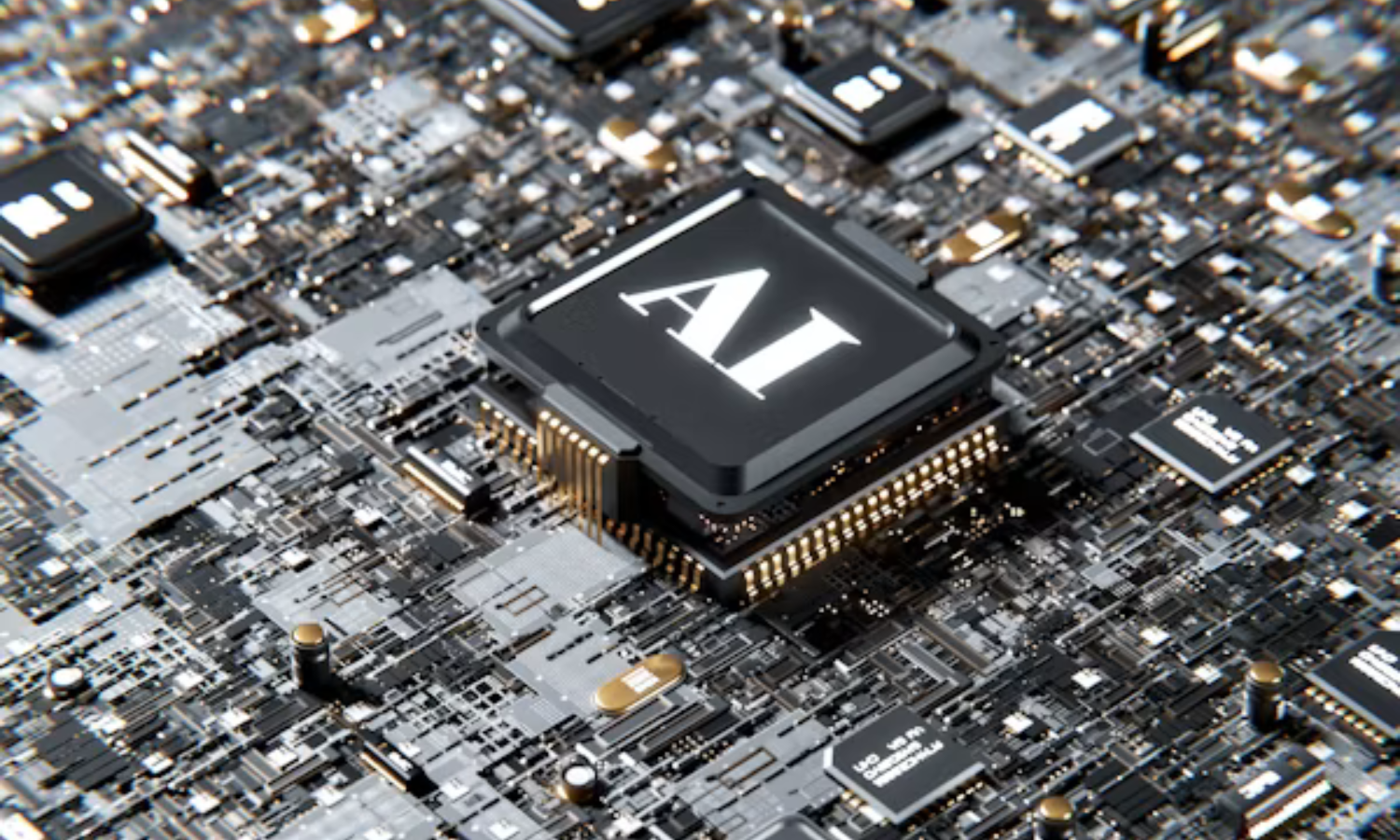
Top Technology Trends in 2026: From AI Agents to Industry 4.0

The Role of Human-AI Collaboration in Future Work