Data-Driven Decision Making in an AI-Powered Economy
Businesses now generate more information than ever through customer activity, digital services, connected operations, financial systems, and online interactions. The challenge is no longer simply collecting data. Organizations need to turn that information into clear decisions that support growth, efficiency, and resilience.
Data-driven decision making gives leaders a stronger foundation for understanding performance and responding to change. When combined with artificial intelligence, it can also reveal patterns, risks, and opportunities that would be difficult to identify through manual analysis alone.
An AI-powered economy depends on this ability to connect information with action. Businesses that build reliable data practices and intelligent decision systems are better positioned to compete, adapt, and create new sources of value.
What Role Does Data & AI Play in the Digital Economy?
Data & AI have become essential parts of the digital economy because they help organizations understand behavior, improve services, and make faster decisions. Data provides the evidence, while artificial intelligence helps process that evidence at a scale and speed that traditional methods cannot easily match.
Digital businesses use these capabilities to analyze customer preferences, forecast demand, monitor operations, and identify changes in market behavior. This allows companies to respond more accurately instead of relying only on assumptions or past experience.
Data & AI also support personalization. Digital platforms can use customer activity to recommend relevant products, adjust content, or improve service interactions. When applied responsibly, this creates experiences that feel more useful and better aligned with individual needs.
The economic value of these technologies extends beyond large technology companies. Financial services, healthcare, manufacturing, retail, energy, and public services are all using data and AI to improve planning, reduce waste, and strengthen operational performance.
However, the benefits depend on data quality, security, and responsible use. Poor information can produce weak conclusions, while unclear governance can create privacy, compliance, and trust concerns. Strong digital economies require both technical capability and clear standards for how data is managed.
AI-Driven Insights for Smarter Business Decision-Making
AI-driven insights can help businesses identify patterns in large and complex datasets. Instead of reviewing information manually, decision-makers can use intelligent tools to highlight important changes, compare possible outcomes, and focus attention on areas that require action.
These insights are valuable across many business functions. Sales teams can identify promising leads, finance teams can improve forecasting, and operations teams can detect delays or performance issues before they become more serious. Marketing teams can also use data analytics to understand which campaigns and customer segments produce the strongest results.
Smarter business decision-making does not mean removing people from the process. AI systems are most useful when they support human judgment with clearer evidence and faster analysis. Leaders still need to consider context, ethics, customer impact, and long-term strategy.
Transparency is also important. Teams should understand which data supports an AI-driven recommendation and how confident the system is in its conclusion. Decisions become easier to trust when employees can review the reasoning and recognize when human oversight is necessary.
Organizations should measure the value of AI-driven insights through practical outcomes. Faster reports are useful, but stronger decisions should also improve revenue, service quality, operational efficiency, risk management, or customer experience.
Artificial Intelligence Innovation and New Business Models
Artificial intelligence innovation is creating business models that rely on automation, personalization, prediction, and continuous learning. Companies are moving beyond using AI only to improve internal processes and are beginning to build products and services around intelligent capabilities.
Subscription services can use AI to tailor recommendations, while financial technology companies can provide automated support based on customer behavior. Manufacturers can offer predictive maintenance services, and digital platforms can match users with products, content, or professional services more accurately.
AI agents are also expanding the range of tasks digital systems can support. These tools can help customers find information, assist employees with routine work, and coordinate actions across connected systems. As their capabilities grow, businesses may create new services that combine human expertise with automated support.
New business models still require a clear customer need. Artificial intelligence should improve convenience, speed, accuracy, or accessibility rather than being added only because the technology is available. Products built around unclear value are unlikely to gain long-term adoption.
Companies must also consider responsibility from the beginning. Trust, data protection, explainability, and fair outcomes are part of product design, not separate issues to address after launch. Sustainable artificial intelligence innovation depends on balancing technical progress with customer confidence.
Digital Transformation Through Connected Data and Intelligent Systems
Digital transformation becomes more effective when data can move across departments and business systems. Connected information gives organizations a fuller view of customers, finances, operations, and performance, making it easier to coordinate decisions.
Intelligent systems can use this connected data to automate tasks, identify risks, and recommend actions. A customer service platform may use purchase history and previous interactions to provide better support, while an operations system may connect supply data with demand forecasts to improve planning.
Business intelligence also plays an important role in this process. Dashboards, reporting tools, and AI-driven analysis can help teams understand what is happening across the organization. Shared information reduces the risk of departments working from different assumptions or incomplete data.
Technology alone does not create successful digital transformation. Organizations need clear goals, common data definitions, skilled employees, and leadership support. They also need to redesign processes so that digital tools improve how work is completed rather than simply adding another layer of complexity.
Connected data and intelligent systems are most valuable when they support continuous improvement. Businesses can learn from results, adjust decisions, and respond more quickly as customer needs and market conditions change.
Data-driven decision making is becoming a basic requirement in an AI-powered economy. Data & AI help organizations understand complex conditions, AI-driven insights improve daily choices, and artificial intelligence innovation creates opportunities for new products and business models.
The strongest results come from combining advanced technology with reliable information and human judgment. Businesses that build this balance can make smarter decisions while protecting trust, improving performance, and preparing for continued digital transformation.
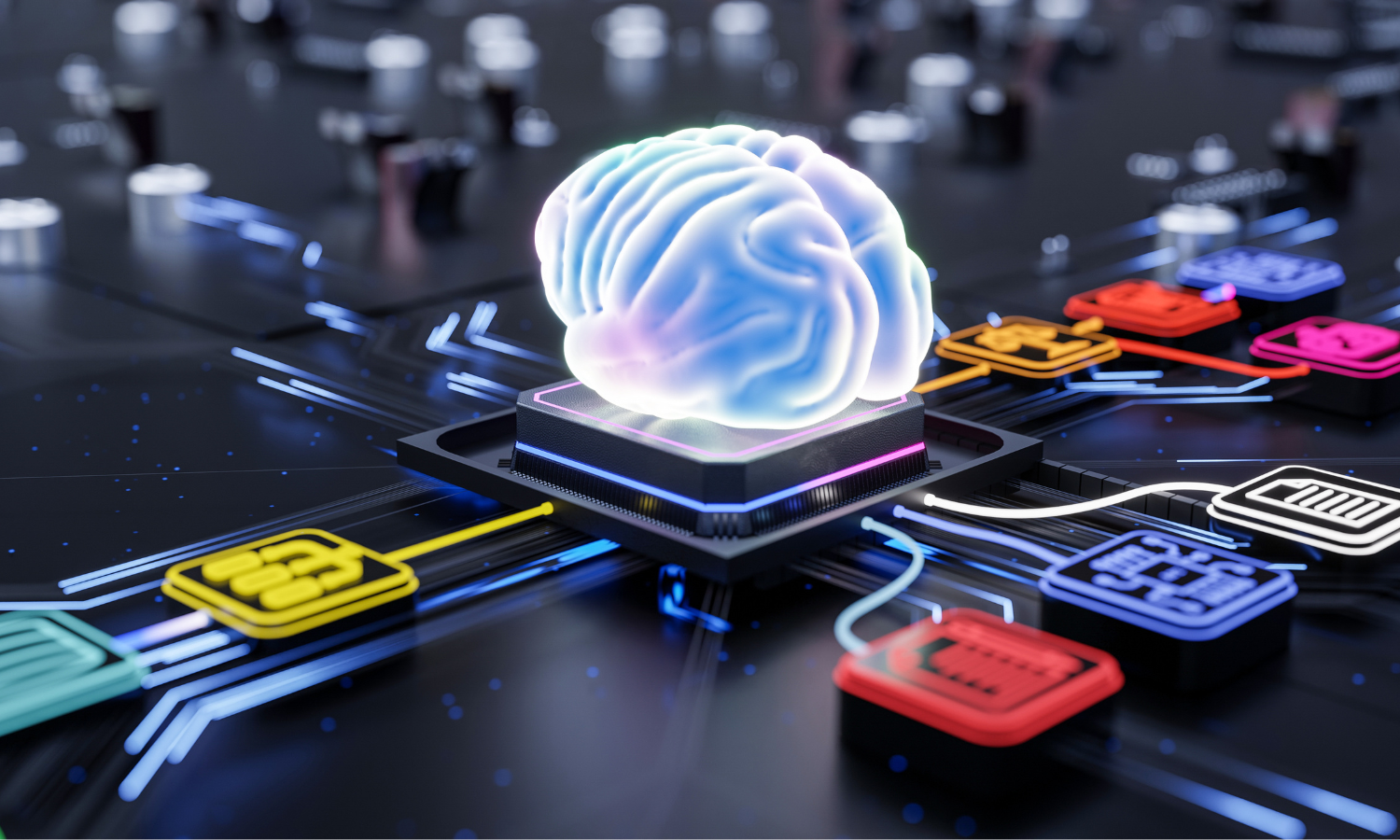
Embedded Intelligence for Smarter Business Operations

Sustainable Finance for Innovation and Green Growth